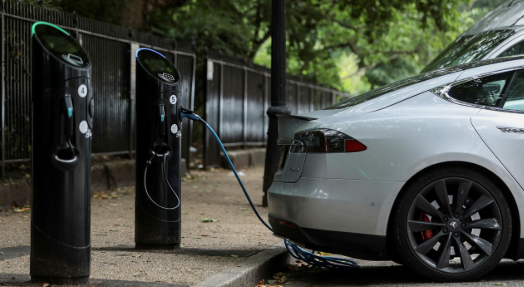
The challenges surrounding EV charging infrastructure are multifaceted. Limited access to power sources complicates the integration of renewable energy. Varying charging standards create compatibility issues that frustrate consumers. Furthermore, high installation and maintenance costs deter investment in necessary infrastructure. Urban planning constraints add another layer of difficulty. These issues collectively hinder the expansion of charging networks. Understanding how these barriers can be addressed is crucial for the advancement of electric vehicle adoption.
Limited Access to Power Sources
Limited access to power sources remains a significant barrier to the widespread adoption of electric vehicle (EV) charging infrastructure.
Insufficient power grid integration limits the potential for renewable energy sources, hindering the development of efficient charging networks.
This lack of infrastructure not only restricts EV adoption but also undermines efforts to transition to cleaner energy, ultimately affecting individual freedom to choose sustainable transportation options.
Varying Charging Standards
As the electric vehicle market expands, varying charging standards present a notable challenge to the establishment of a cohesive EV charging infrastructure.
These discrepancies complicate standardization efforts, resulting in compatibility issues among different vehicle models and charging stations.
Without a unified approach, consumers may experience limited charging options, hindering the widespread adoption of electric vehicles and ultimately impeding progress toward sustainable transportation solutions.
High Installation and Maintenance Costs
The challenge of varying charging standards is compounded by the high installation and maintenance costs associated with EV charging infrastructure.
These expenses often hinder installation efficiency, making it difficult for stakeholders to implement widespread charging solutions.
Effective maintenance strategies are essential to sustain operational reliability, yet they can further inflate costs, posing a significant barrier to the expansion of electric vehicle charging networks.
See also: Enterprise Resource Planning Systems
Urban Planning and Space Constraints
How can urban planners effectively integrate EV charging infrastructure amid growing space constraints?
They must navigate zoning regulations that often limit available areas for installations.
Public-private partnerships can facilitate innovative solutions, allowing for shared resources and funding.
Conclusion
In conclusion, the pursuit of a robust EV charging infrastructure is akin to navigating a labyrinth fraught with obstacles. Limited access to power sources, inconsistent charging standards, prohibitive costs, and urban planning challenges collectively stifle the transition to electric vehicles. Addressing these multifaceted barriers is imperative for fostering consumer confidence and ensuring a sustainable transportation future. Without concerted efforts to overcome these challenges, the promise of electric mobility may remain a distant dream, just beyond reach.