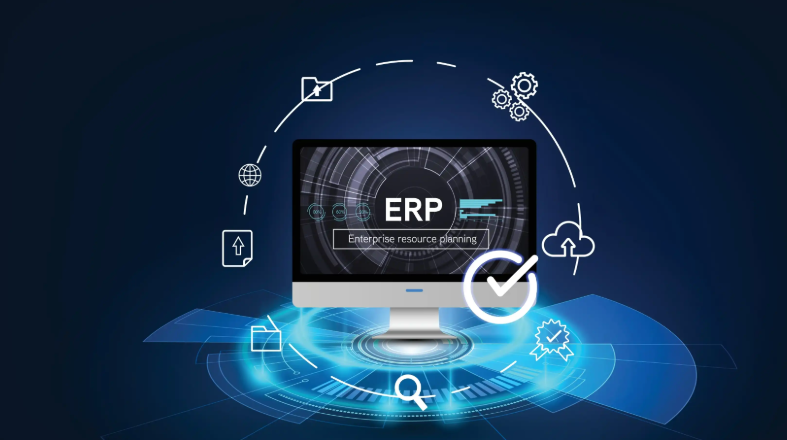
Enterprise Resource Planning (ERP) systems represent a crucial component in modern organizational infrastructure. They integrate various business processes, enhancing data accuracy and promoting interdepartmental collaboration. However, the implementation of ERP systems is often met with significant challenges, including high costs and user resistance. Understanding both the benefits and obstacles of these systems is essential for organizations aiming for long-term growth. What emerging trends could further reshape the landscape of ERP technology?
Key Features of ERP Systems
Enterprise Resource Planning (ERP) systems are characterized by several key features that enable organizations to streamline their operations and enhance efficiency.
A user-friendly interface facilitates accessibility, allowing users to navigate complex functionalities with ease.
Furthermore, robust data integration capabilities ensure that information flows seamlessly across departments, fostering collaboration and informed decision-making.
These features collectively empower organizations to optimize resources and adapt to dynamic market conditions.
Benefits of Implementing an ERP System
Implementing an ERP system offers organizations a multitude of advantages that extend beyond mere operational efficiency.
These systems enable cost savings through streamlined processes and reduced redundancies. Improved efficiency is achieved by integrating various functions, enhancing data accuracy, and fostering better decision-making.
Ultimately, organizations gain a strategic edge, empowering them to allocate resources effectively and respond swiftly to market demands, thereby promoting greater organizational freedom.
Challenges in ERP System Adoption
Although the potential benefits of ERP systems are significant, organizations often encounter a range of challenges during the adoption process.
User resistance, high implementation costs, and integration issues frequently hinder progress.
Additionally, data migration and training challenges can complicate transitions, while customization difficulties necessitate careful change management strategies.
Addressing these obstacles is crucial for achieving a successful ERP implementation and maximizing organizational efficiency.
See also: Edge Computing Explained
Future Trends in ERP Technology
How will emerging technologies reshape the landscape of ERP systems in the coming years?
Cloud integration will enhance accessibility and collaboration, allowing organizations to leverage real-time data seamlessly.
Meanwhile, AI automation will streamline processes, reduce manual workload, and enable predictive analytics.
Together, these advancements will empower businesses to adapt swiftly to market changes, fostering agility and innovation in an increasingly competitive environment.
Conclusion
In conclusion, while ERP systems promise seamless integration and enhanced efficiency, the irony lies in their potential to amplify complexity rather than alleviate it. Organizations may find themselves ensnared in a web of high costs and resistance, questioning whether the pursuit of streamlined processes is ultimately a Sisyphean task. Yet, for those willing to navigate these challenges, the rewards of strategic resource allocation and informed decision-making remain tantalizingly within reach, beckoning with the allure of long-term growth.