Edge computing represents a critical evolution in the landscape of data processing. It decentralizes computing resources, bringing them closer to data sources. This shift not only minimizes latency but also enhances the speed of insights and decision-making. The implications for operational efficiency and security are significant. As organizations explore its potential, understanding the core mechanics and applications of edge computing becomes essential. What challenges and opportunities lie ahead in this transformative approach?
What Is Edge Computing?
Edge computing represents a transformative shift in data processing architecture, emphasizing the decentralization of computational resources.
By leveraging edge devices, this model significantly reduces data latency, facilitating real-time processing closer to the data source.
This strategic approach enables organizations to harness the full potential of their data, fostering innovation and agility while enhancing operational efficiency and responsiveness in an increasingly interconnected world.
How Edge Computing Works
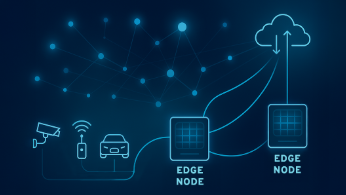
Leveraging a distributed architecture, edge computing processes data closer to its source, minimizing the distance it must travel to be analyzed.
This strategic approach enhances data processing efficiency by enabling real-time insights and decisions.
Benefits of Edge Computing
The advantages of edge computing manifest through enhanced efficiency, reduced latency, and improved data security.
By processing data closer to its source, organizations experience significant latency reduction, which facilitates real-time decision-making.
Additionally, edge computing bolsters data privacy by minimizing the transmission of sensitive information over vast networks, thereby reducing the risk of breaches.
These strategic benefits empower businesses to operate more autonomously and securely.
Applications of Edge Computing in Various Industries
In numerous industries, edge computing serves as a transformative catalyst, enabling real-time data processing and analytics at the source of data generation.
Applications include healthcare monitoring for immediate patient insights, smart manufacturing enhancing operational efficiency, and autonomous vehicles requiring split-second decision-making.
Additionally, remote sensing and IoT integration facilitate robust real-time analytics, driving innovation and operational excellence across diverse sectors, ultimately fostering greater autonomy and responsiveness.
See also: Drones in Delivery Services
Conclusion
In conclusion, edge computing is poised to transform data processing by decentralizing computational resources and enhancing real-time analytics. With a projected market growth rate of 34.1% from 2021 to 2028, edge computing is not merely a technological trend but a strategic imperative for organizations aiming to enhance operational efficiency and responsiveness. By leveraging this innovative model, industries can not only reduce latency but also unlock new opportunities for data-driven decision-making and innovation.